Civics is Foundational: What Classical Christian Education Can Teach America Again
I recently attended the Western Interstate Commission of Higher Education (WICHE) meeting in Seattle as part of my responsibilities with the North Dakota State Board of Higher Education. During one of the discussions, I connected with a colleague who is actively involved with the 9th Circuit Court of Appeals. What he shared caught my attention immediately.
At a recent gathering, judges and legal professionals were discussing the growing lack of civic knowledge among K–20 students. According to the conversation, many students today have little understanding of America’s Founding Fathers or foundational documents such as the Declaration of Independence and Constitution. The concern among the judges was serious and deeply troubling.
As reported, several judges warned that this lack of civic understanding could eventually contribute to the destruction of the Republic itself. Having just participated in Rededication250 and looking forward to America’s upcoming 250th Anniversary celebration, that statement stayed with me long after the meeting ended. It caused me to reflect on the long-term health of our nation and the importance of education in preserving liberty.
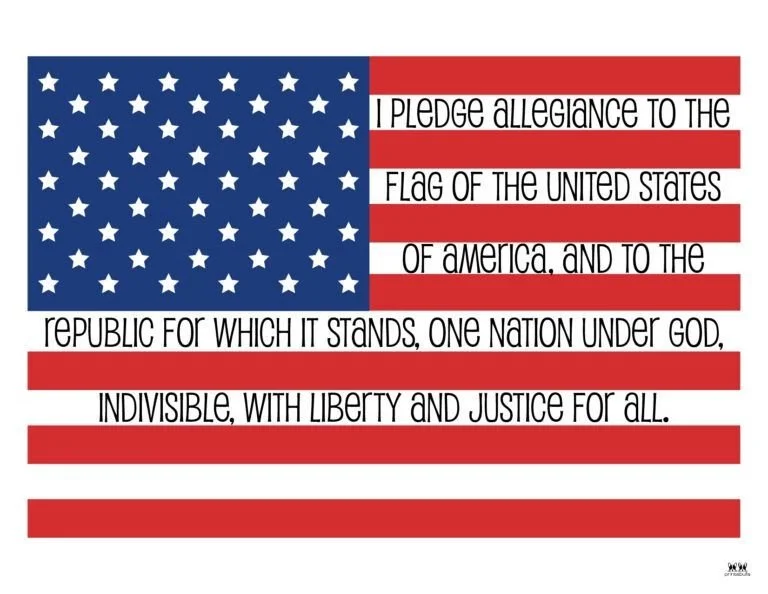
After the formal meeting concluded, I pulled my colleague aside and asked a simple question: “How do you teach civics to a first grader?” His answer was immediate and surprisingly simple: “The Pledge of Allegiance.” That short exchange reminded me that civic formation often begins with small, consistent practices that shape identity, gratitude, and responsibility
Later, I mentioned another concern I often hear from legislators and educators. Some are hesitant to add another required civics course in high school because teachers and students already carry heavy academic loads. My colleague responded without hesitation, “Civics is foundational. If you don’t have civics, you don’t have a country. So, do civics. Then add in math.”
That statement may sound provocative, but it reflects a growing national concern. Organizations such as the American Council of Trustees and Alumni (ACTA) are sounding similar alarms at the higher education level. ACTA’s Civic Literacy Initiative reports troubling gaps in civic understanding among college graduates, including limited knowledge of American history, constitutional principles, and civic institutions.
ACTA warns, “A free society cannot survive unless citizens understand its history, principles, and institutions.” Their research suggests that civic illiteracy is not confined to elementary or secondary education. Instead, the problem continues into college and adulthood, leaving many Americans disconnected from the principles that sustain constitutional self-government
You can read ACTA’s civic literacy work here:
https://www.goacta.org/civic-literacy/
As I reflected on these conversations, I found myself thinking about one educational movement that intentionally addresses this issue: classical Christian education. Across America, more than 1,000 classical Christian schools are helping students recover not only academic excellence, but also civic understanding, moral formation, and responsible citizenship. Families are increasingly drawn to schools that develop wisdom and character alongside knowledge.
Classical Christian education approaches learning differently than many modern educational models. Rather than focusing primarily on standardized testing or career specialization at increasingly younger ages, classical schools emphasize the formation of wisdom, virtue, logic, rhetoric, history, and moral reasoning. Students are taught how to think carefully, communicate clearly, and engage respectfully with ideas.
Students in classical schools often read original historical texts rather than relying only on summaries or excerpts. They study the rise and fall of civilizations, examine historical successes and failures, and discuss enduring questions about justice, liberty, and leadership. Through Socratic discussion and debate, students learn how to listen thoughtfully and defend ideas with reason and evidence.
An excellent article from Education Next titled Why Classical Education Excels at Civic Education explains that “Classical education seeks to cultivate the intellectual and moral virtues necessary for self-government.” The article highlights how classical schools emphasize great books, civil discourse, logic, rhetoric, and understanding the foundations of democracy and republican government. This approach prepares students not only for careers, but also for citizenship.
Read the article here:
https://www.educationnext.org/why-classical-education-excels-at-civic-education/
This distinction matters because civic knowledge is not simply about memorizing dates or passing a government test. Civic education is about forming citizens capable of sustaining liberty and participating responsibly in public life. America’s founders understood that constitutional government depends upon citizens who possess character, knowledge, and virtue.
Another insightful article, How Classical Schools Teach Kids to Be Citizens, published through Great Hearts America, explores this idea further. The article explains, “The goal is not merely career readiness, but citizenship readiness.” That single phrase captures a growing concern among many parents and educators today.
Career preparation is certainly important. STEM education matters greatly, and students should be equipped for the workforce of the future. However, America also needs citizens who understand history, constitutional principles, self-government, and moral responsibility.
The article explains that classical schools intentionally cultivate civic habits and understanding. Students study the Declaration of Independence not simply as a historical artifact, but as a document rooted in enduring truths about human dignity, liberty, and responsibility. They also learn why the Constitution established checks and balances and how those structures help protect freedom.
Read the article here:
https://institute.greatheartsamerica.org/wp-content/uploads/sites/69/2026/01/How-%E2%80%98Classical-Schools-Teach-Kids-to-Be-Citizens-WSJ.pdf
One of the most encouraging aspects of classical Christian education is that civic formation begins early. Young children memorize patriotic songs, poems, and Scripture. They hear stories about courage, sacrifice, leadership, and service. These practices help students develop gratitude for the blessings and responsibilities of freedom.
As students mature, their understanding deepens. By middle and high school, they are engaging constitutional principles, debating ideas respectfully, reading primary documents, and wrestling with difficult historical questions. This gradual progression reflects a core principle of classical education: formation happens over time.
An article from the Center for the Advancement of Christian Education titled Civic Formation in Christian Schools explains that Christian education should prepare students not only for personal success, but also for faithful participation in society. The article states, “Christian schools have the opportunity to cultivate wise, discerning, and engaged citizens.” This vision closely aligns with America’s founding ideals.
Read the article here:
https://cace.org/civic-formation-in-christian-schools/
America’s founders repeatedly emphasized that liberty could not survive apart from virtue and moral responsibility. John Adams famously wrote, “Our Constitution was made only for a moral and religious people.” Classical Christian education seeks to cultivate precisely those qualities through intentional formation of both mind and character.
As America approaches its 250th Anniversary, conversations about civic literacy and citizenship are becoming increasingly important. Can freedom survive if citizens no longer understand the principles upon which the nation was built? Can constitutional government endure if future generations cannot explain the purpose of the Constitution or engage respectfully in public discourse?
These are not partisan questions. They are foundational questions that strike at the heart of self-government and national identity. Perhaps that is one reason the classical Christian education movement continues to grow so rapidly across America.
Families are not simply searching for academic alternatives. Many are seeking schools that help develop wise, virtuous, knowledgeable young citizens prepared to lead, serve, and preserve freedom for future generations. As my colleague reminded me in Seattle, “Civics is foundational. If you don’t have civics, you don’t have a country.”
Check out what’s happening at Christian Crossroads Academy and North Dakota Coalition of Classical Christian Schools
© Danita Bye. Worked with AI to enhance clarity and Hemingway for readability.
Danita Bye is a Leadership Futurist, Author, and Founding Board Member of Christian Crossroads Academy. She’s committed to restoring virtue-centered formation in education. Her work focuses on empowering leaders in an age of rapid technological change, where wisdom and discernment matter more than ever.
She partners with Christian leaders across education, business, and civic life who believe character ultimately determines impact. Danita serves on many boards in North Dakota and nationally that are focused on leadership and ethics. She is the author of Millennials Matter and the forthcoming Character Mandate, and a TEDx speaker passionate about forming leaders rooted in truth, courage, and faith.
Danita has a master’s in transformational leadership from Bethel University, MN. She currently lives near the TTT Ranch in Stanley, North Dakota, where she grew up. She’s been married for 42 years and has six grandchildren.