
How Latin Can Help Develop Future Leaders with Strong Morals
As I’m writing Character Matters, I find myself returning to a question that feels both deeply personal and urgently cultural: Will we lead artificial intelligence—or will it lead us?
I wonder: Because we live in the Age of AI, who are we becoming as leaders, parents, and educators? What beliefs are shaping the next generation? Will those beliefs allow them to stand morally strong in a world tossed to and fro by AI Algorithms?
AI is accelerating everything: information, influence, and decision-making. But speed does not equal wisdom. Efficiency does not produce character.
What concerns me most is not whether children will be competent in the future—they will. What concerns me is whether they will have the discernment to pause, the courage to question, and the moral clarity to choose rightly when powerful tools present convincing but unexamined answers.
That is why my interest in education—especially in the earliest years—has deepened rather than diminished in the Age of AI. If we want future leaders who can guide technology rather than be governed by it, we must form their inner compass early. We must embed values before shortcuts, discipline before convenience, and truth before trend.
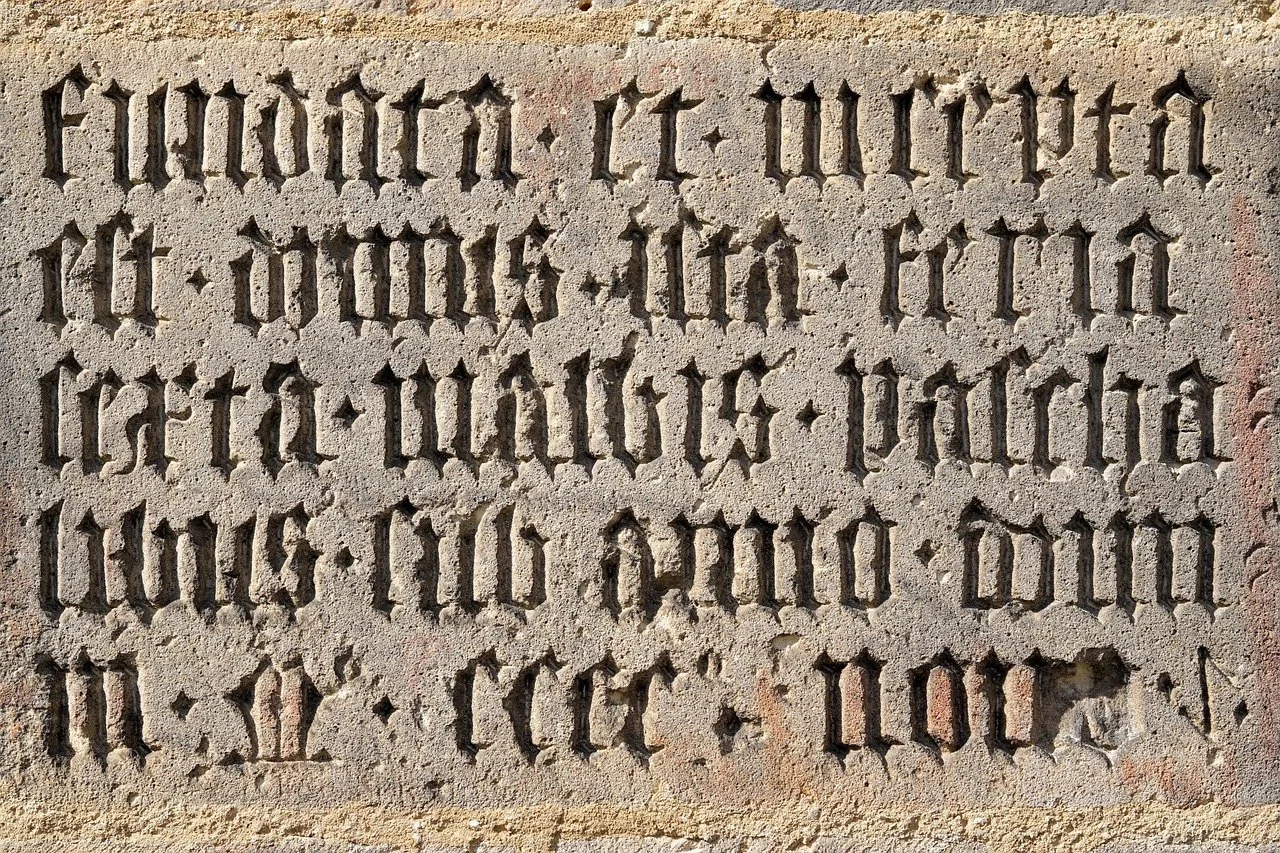
At Christian Crossroads Academy, we believe education should shape not only what children know, but how they think, what they value, and who they understand themselves to be. This belief has led the classical Christian movement, somewhat counterculturally, to embrace ancient tools—like Latin—not as relics of the past, but as formative disciplines for the future.
Make it stand out
Because the question is not whether AI will advance. It will.
The question is whether our children will be prepared—in character, faith, and judgment—to lead it well.
I confess – I didn’t learn Latin growing up. So, I asked ChatGPT for a short report on how Latin can help develop future leaders who are morally strong. I find this interesting – I’m curious about your thoughts.
Start of ChatGPT Input:
Latin and the Grammar Stage: Why K–3 Matters
“Classical Christian education follows the Trivium, recognizing that children learn best in developmental stages. The grammar stage—Kindergarten through third grade—is marked by a natural love for rhythm, repetition, and memorization. Young minds are eager to absorb structure.
Latin fits this stage beautifully.
Rather than conversational fluency, early Latin focuses on chants, vocabulary, and grammatical patterns. Students experience success through mastery, which builds confidence and joy. More importantly, they learn that learning requires attention and effort—a lesson that quietly shapes character.
SISU and Moral Stamina
In Finnish culture, the word SISU captures quiet perseverance, inner resolve, and the courage to endure when something is hard but worthwhile. Latin cultivates this same moral stamina.
Latin does not allow guessing. Endings matter. Structure matters. Students must slow down, analyze carefully, and persist through challenge. Over time, children internalize a powerful truth: hard things are worth doing well.
That lesson prepares them not only for academics but for leadership, faithfulness, and integrity.
Latin and Critical Thinking in the Age of AI
This is where Latin becomes especially relevant today.
AI excels at speed, pattern recognition, and instant answers. Latin teaches the opposite: deliberate reasoning. Students must evaluate relationships between words, test assumptions, and determine meaning through logic rather than intuition.
Latin trains students to:
Analyze before concluding
Recognize structure and order
Resist shortcuts
Detect errors in reasoning
These are precisely the skills required to engage AI wisely. A student trained in Latin is less likely to accept outputs uncritically and more likely to ask, Is this true? Is this accurate? Does this align with reality and moral truth?
In the Age of AI, critical thinking is not just an academic skill—it is a leadership necessity.
Language That Shapes Character and Humility
Latin also forms humility. Mastery comes slowly. Mistakes are expected. Correction is normal. Students learn perseverance, patience, and teachability—virtues essential for lifelong learning and godly leadership.
At Christian Crossroads Academy, we believe intellectual formation and character formation are inseparable. Latin quietly reinforces that belief every day.
Faith Formation and a Living Tradition
Latin connects students to the Christian intellectual and spiritual tradition. For centuries, it carried Scripture, theology, hymns, and creeds across generations. Many foundational theological terms are rooted in Latin, giving students linguistic tools to think clearly about faith.
Latin helps students see Christianity not as something invented recently, but as a faith faithfully handed down—one they are called to steward with wisdom.
Forming Leaders Who Lead, Not Follow
We teach Latin not because it is old, but because it is enduring.
In a world shaped by automation, Latin teaches discernment.
In a culture of speed, Latin teaches patience.
In an age of AI, Latin teaches judgment.
Exposure to Latin is one way classical Christian educators live out their mission: forming students of character who think critically, persevere faithfully, and are prepared to lead wisely—rather than be led—by the tools of their time.